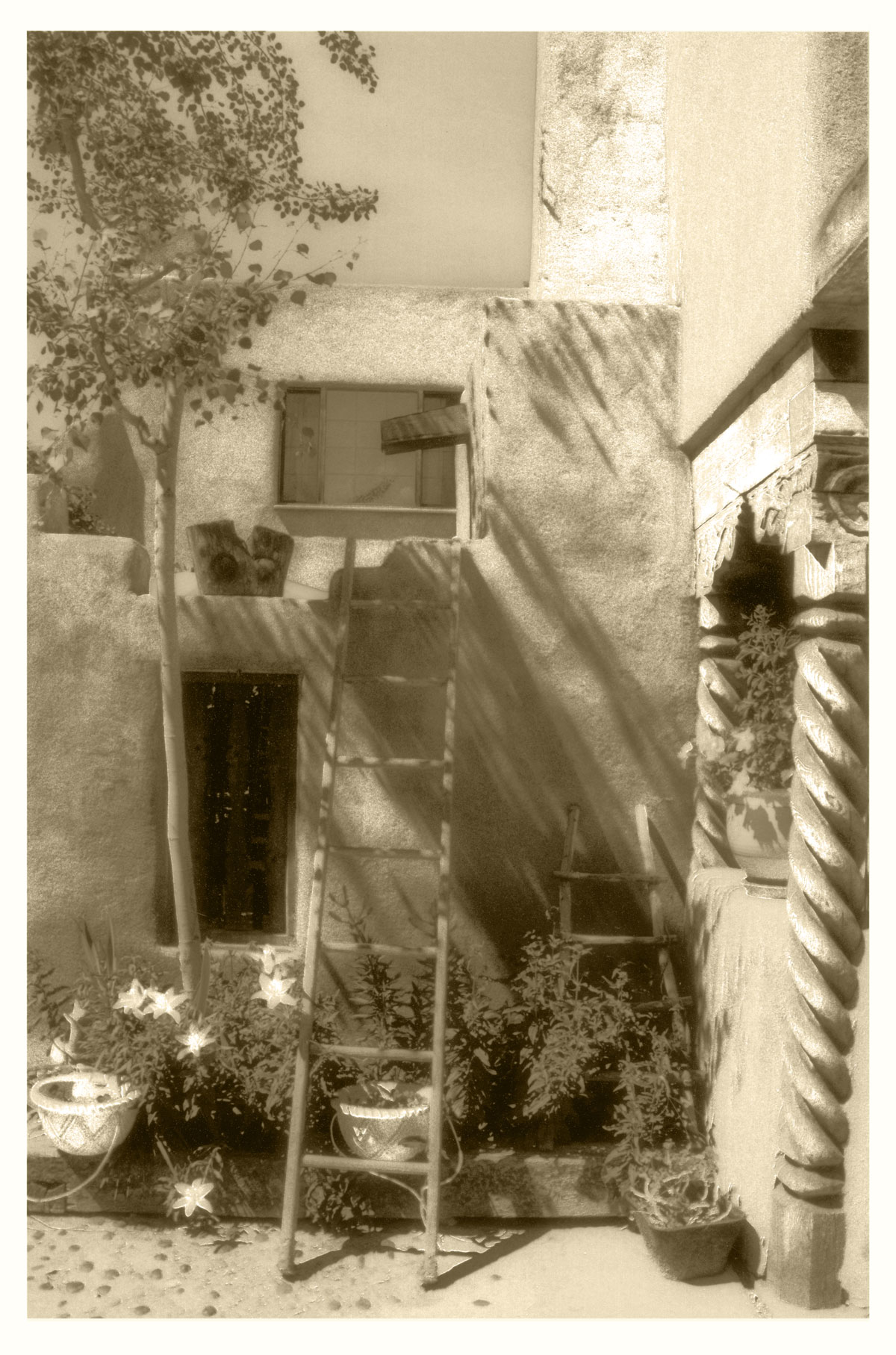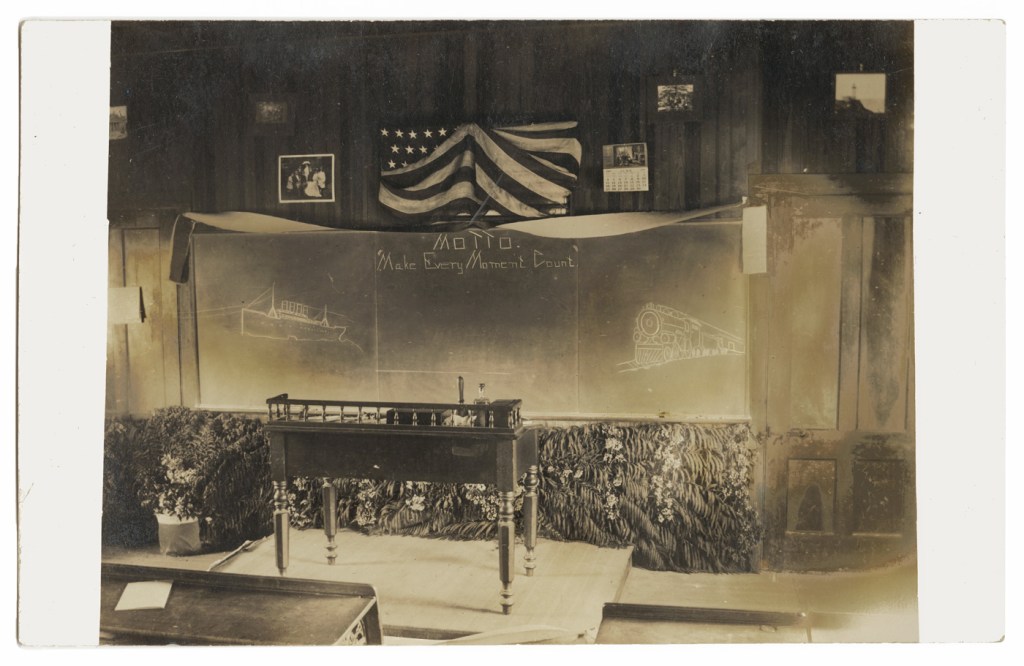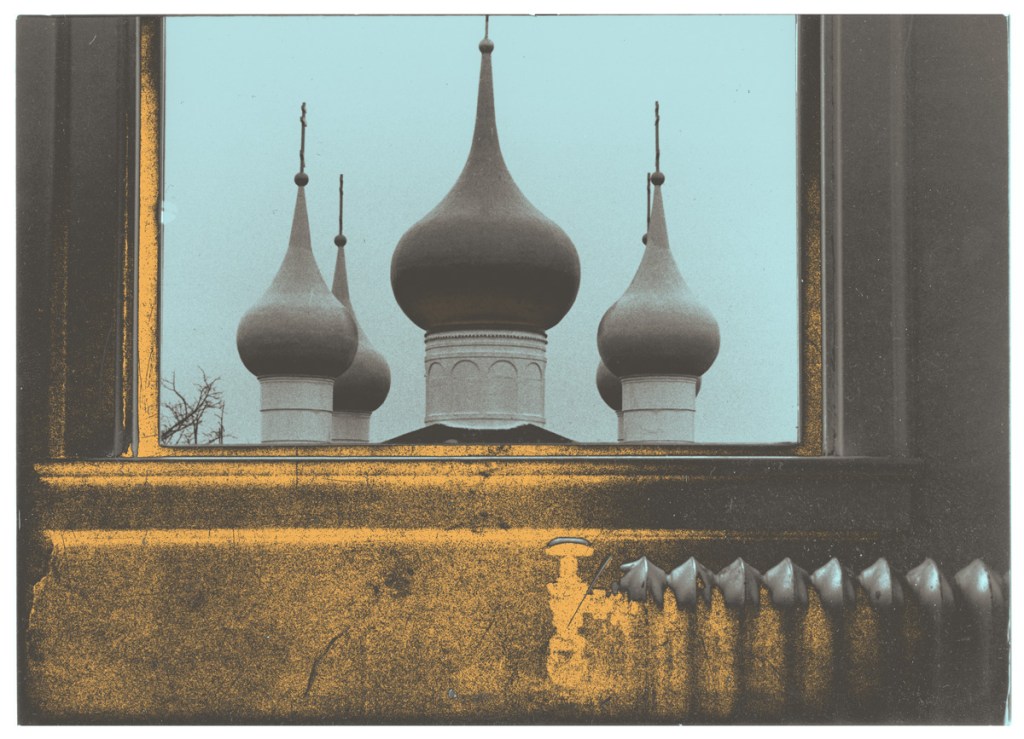
I first began to hear the phrase “sense of place” in the late 1970’s. At that point in my life my experience of travel was limited. I had no car, no money, no formal education beyond the 10th grade of highschool, and a three-speed bicycle. I lived in a 400-square foot studio with cut glass doorknobs and a tiny tiled kitchen that matched thousands of other kitchens in the historic apartment neighborhoods of Seattle. Because I had no car and did not know how to drive I went only where my bicycle, my feet or a bus could take me. My routines were small and circumscribed by economic and spiritual urgency. I rose at 5 AM, practiced Tai Chi and yoga, and rode my bicycle to Chinatown 3 times a week to the martial arts club. I sat every day at a window overlooking the domes of the Russian Orthodox church, and practiced calligraphy, grinding ink on a slab of black stone and learning kanji and sumi with a series of Chinese and Japanese masters.
My view of geography looked not to the globe, but inward, to the imagined and remembered. I built my landscapes from books, the soundtracks of childhood movies, and the Shambhalic images of transcendent consciousness adrift in the incense of the West Coast. I did not call this “place,” but it was where I lived. When I heard people talk about sense of place and where they had traveled (sense of place was never right “here”) I sniffed privilege: money, mobility and education. I wrote it off as pretension, particularly when people talked about Taos and New Mexico, their stories always accompanied by knowing glances and gestures towards the sky.
(more…)