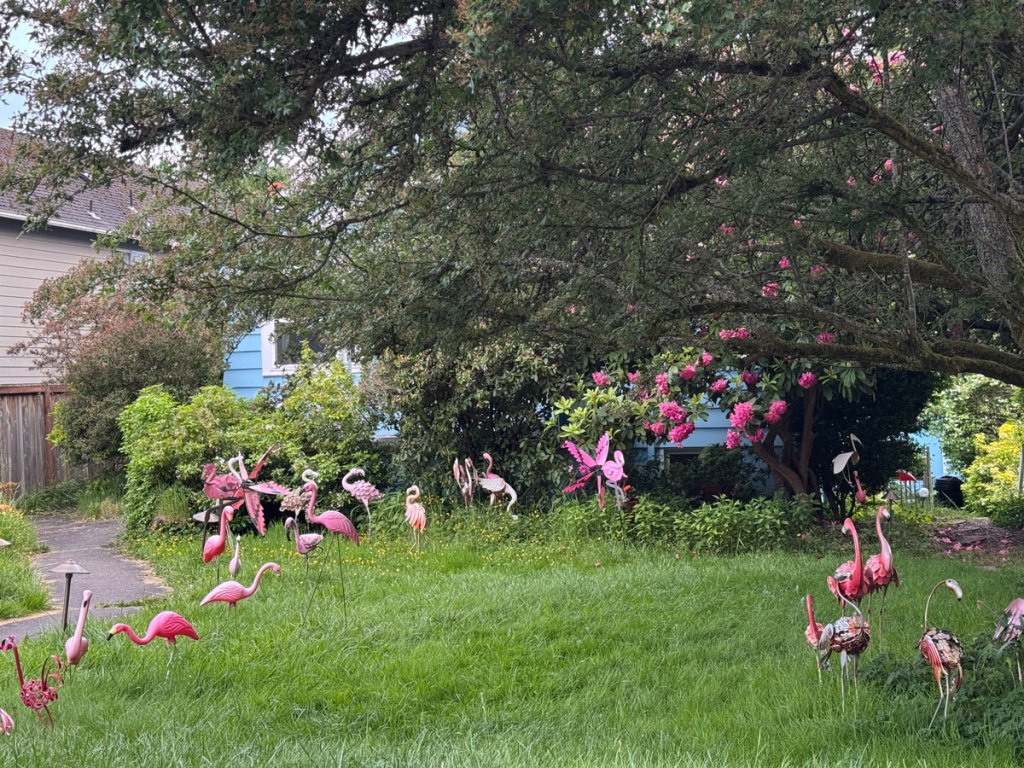
The revenge of the Pink Flamingos, Greenwood
Is it utopian to think that a city squeezed between high tech’s algorithms, the rapacious hunger of private equity and the Master Builders’ Association can “grow gracefully?” Last night I attended an event sponsored by Design Review Reboot Coalition and Allied Arts to hear a panel discuss “Creating Buildings and Places that Enhance our Neighborhoods: An engaging discussion on how residents and developers can collaborate to help Seattle Grow Gracefully and help the Comp Plan succeed.” The evening was part of the recurring “Beer and Culture” series sponsored by Allied Arts, the storied organization that helped to save the Pike Place Market.
When I had my design office downtown I was on the Allied Arts board, the only artist among planners and architects. I loved the camaraderie and sense of possibility the gatherings inspired. After a period of dormancy during pandemic, it is exciting to see new energy in this group. The collaboration with Design Review Reboot has brought together people from across the city who care about sense of place, and who understand the importance of urban design. Design done well fosters the intangible values that make a city not just livable, but lovable: an environment where arts and culture can thrive. Culture is under assault right now in the unnecessary war between those who want affordable housing (and see maximum density as the only way to get there) and those who want Seattle to retain its gardens, its low-rise business districts and existing single family homes during the growth process.
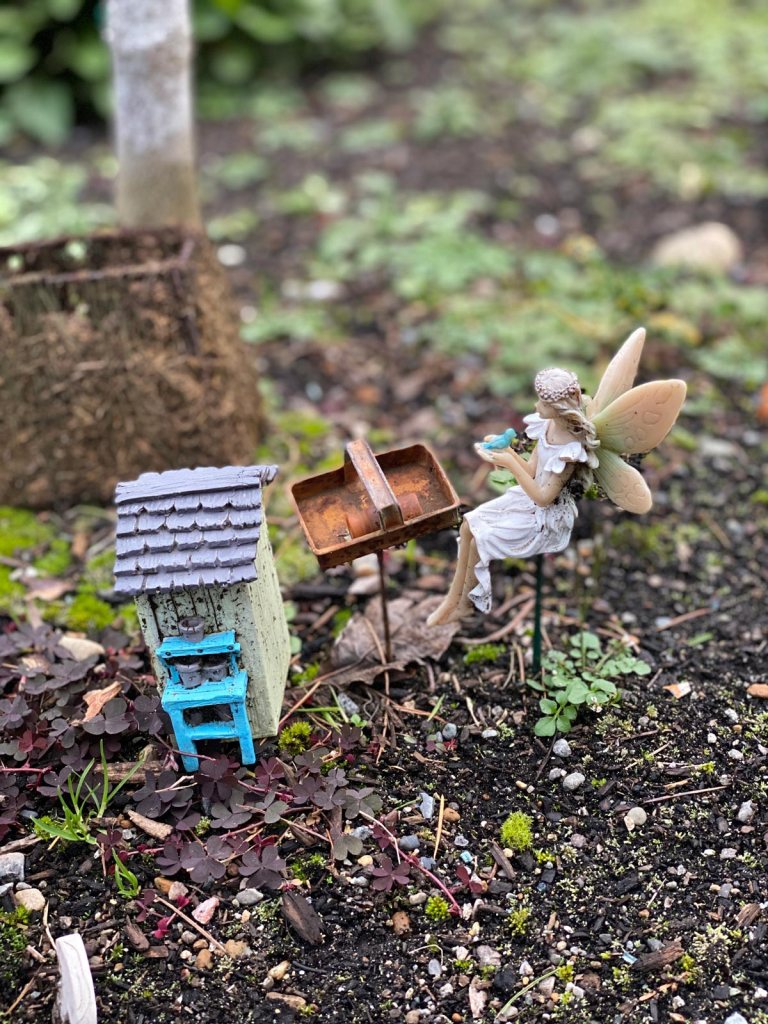
A Seattle Fairy Garden
Urbanists have rebranded Seattle’s low-rise garden neighborhoods as “suburbs” inappropriate to a “city.” These leafy, often historic areas, filled with Craftsman homes, post-war “neo-sheds” and modest bungalows, are portrayed as enclaves of rolling pristine pesticide-laced lawns, filled with wealthy, white, complacent NIMBY’s who do not want renters or people of color next door. This caricature bears no resemblance to what I see as I walk around Greenwood and Bitter Lake, nor is it accurate for many of the rest of Seattle’s neighborhood residential zones.
(more…)